
Watches and Wonders: time reinvented through art, technique, and emotion
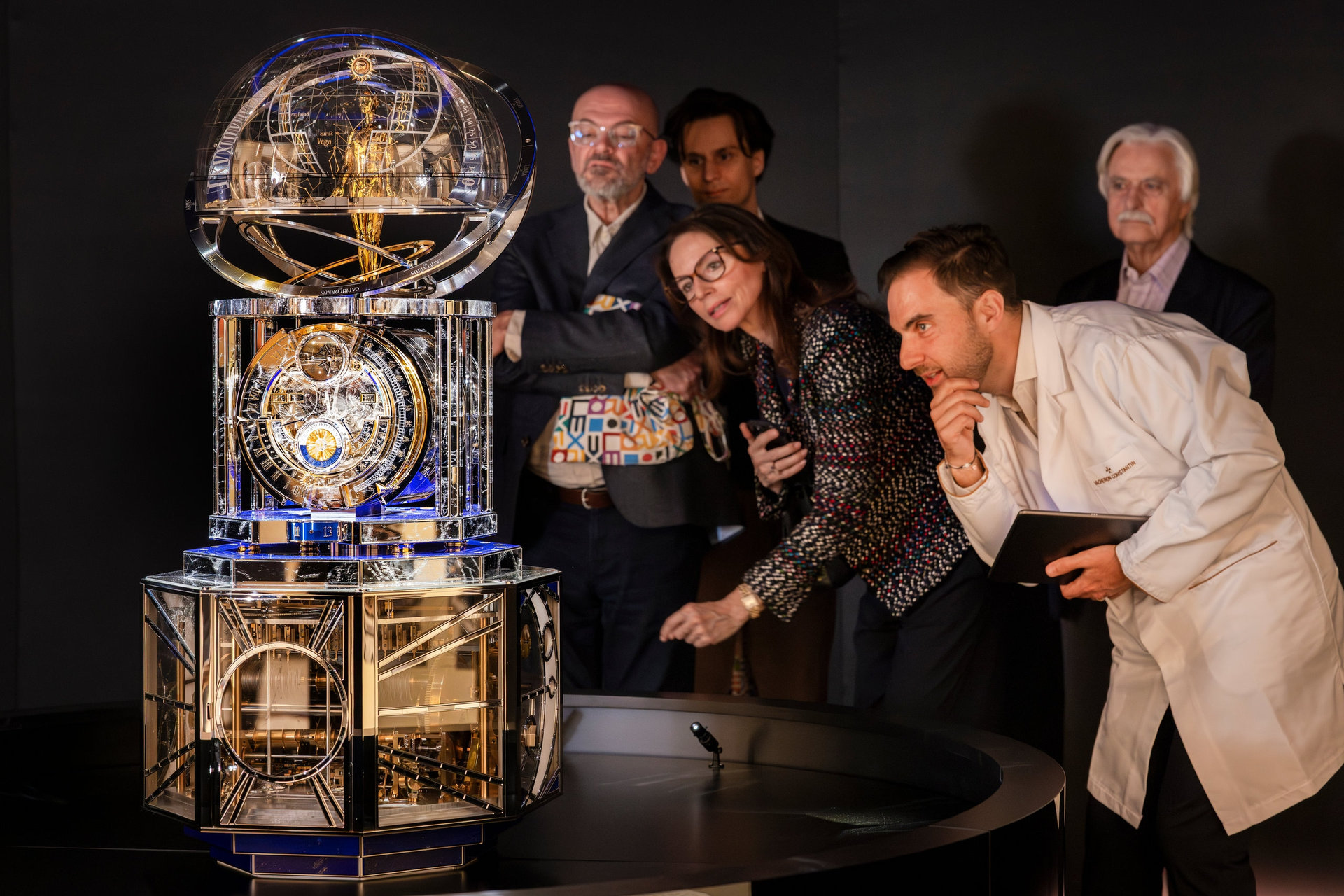
From April 14 to 20, more than 60 brands gathered to present their latest creations, confirming the event as the leading global platform for haute horlogerie. But beyond the numbers and launches, what stood out was a shift in paradigm: the watch is no longer just an instrument — it is narrative, jewelry, and cultural expression.
One of the most striking trends this year was the growing convergence between watchmaking and jewelry. Houses such as Piaget, Cartier, and Van Cleef & Arpels unveiled pieces that go beyond timekeeping to assert themselves as wearable works of art. Watches set with diamonds, featuring hidden mechanisms and sculptural forms, reveal a new creative territory where luxury becomes sensory and narrative.
While aesthetics took center stage, engineering did not fall behind. Unprecedented complications, such as automatic double tourbillons or chronographs with new mechanical systems, demonstrate that innovation remains at the heart of the industry. Historic brands revisited icons — like the TAG Heuer Monaco or the Rolex Oyster — introducing technical improvements without losing identity, striking a balance between heritage and modernity.
The color palette proved bold: deep greens, sky blues, and burgundy tones dominated dials and straps, while the use of platinum gained ground over gold. At the same time, materials such as ornamental stones, titanium, and hybrid combinations brought texture and visual innovation to collections.
Formats also evolved. A trend toward more compact and elegant cases reflected a growing demand for understated sophistication. At the same time, sports watches with integrated bracelets consolidated their role as contemporary protagonists.
27 de April, 2026
Analysis